Introduction
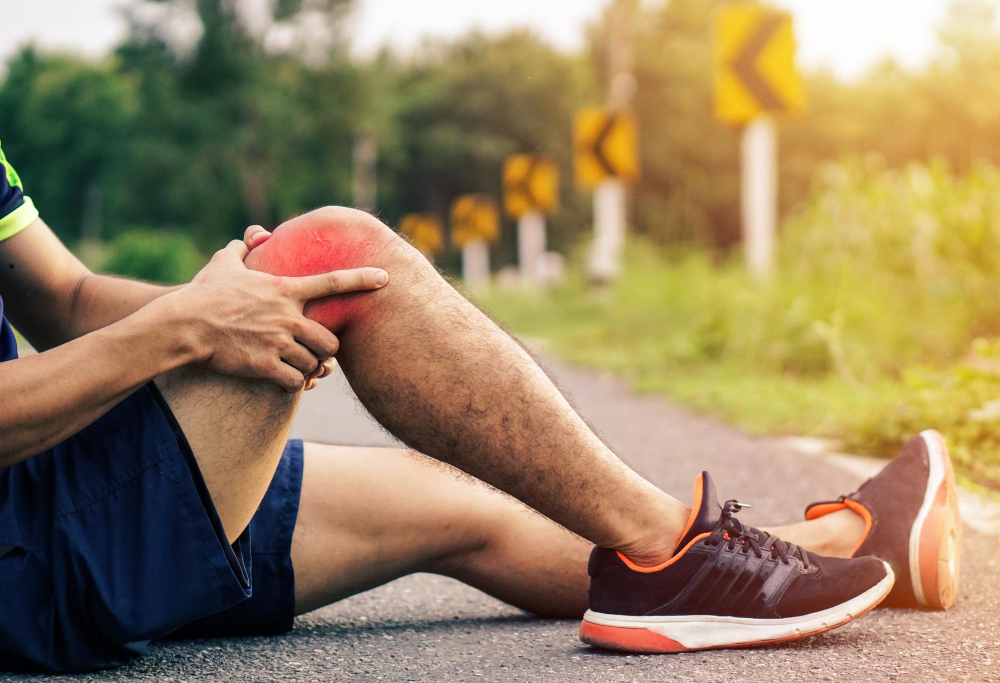
Sports injuries are common in people who play sports or exercise often. These injuries affect bones, muscles, ligaments, or tendons. In many cases, sports injuries need care from an orthopedic doctor. Because they can happen to anyone, knowing about sports injuries helps you stay safe and healthy. For example, children, teens, and adults can all get hurt while playing sports. The Centers for Disease Control and Prevention (CDC) reports that millions of people visit doctors each year for sports injuries. Early care and the right treatment can help you heal faster.
Common Symptoms of Sports Injuries
Sports injury symptoms can vary based on the type and location of the injury. However, some signs are easy to spot. You should watch for these symptoms if you get hurt during sports or exercise:
Sometimes, symptoms appear right away. In other cases, they may develop slowly over time. If you notice any of these signs, it is important to rest and seek help if needed.
Causes and Risk Factors
Sports injuries often happen because of accidents or overuse. For instance, a sudden fall or twist can cause a sprain. In addition, repeating the same movement can lead to overuse injuries. Several risk factors can increase your chances of getting hurt, such as:
Because children and teens are still growing, they may be at higher risk. However, adults can also get injured, especially if they do not train properly.
Diagnosis Methods
Doctors use several methods to diagnose sports injuries. First, they ask about your symptoms and how the injury happened. Next, they examine the injured area. In many cases, your doctor may order tests to get more details. For example, they might use:
Because quick and accurate sports injury diagnosis is important, you should see an orthopedic specialist if you have severe pain or cannot move a joint.
Treatment Options
Orthopedic sports injury treatment depends on the type and severity of the injury. For minor injuries, doctors often suggest the RICE method:
Sometimes, you may need medicine for pain or swelling. In more serious cases, physical therapy helps restore movement and strength. If the injury is severe, surgery may be needed to repair bones or ligaments. Your orthopedic doctor will guide you through the best treatment plan.
Prevention Tips
While not all sports injuries can be avoided, you can lower your risk with simple steps. For example, always warm up before playing sports. Additionally, follow these tips:
Because prevention is key, learning how to prevent sports injuries can help you stay active and healthy.
Lifestyle Guidance for Recovery
Recovering from a sports injury takes time and patience. However, you can help your body heal with healthy habits. For instance, eat a balanced diet rich in protein, vitamins, and minerals. In addition, follow your doctor’s instructions for rest and exercise. Gentle stretching and low-impact activities, like walking or swimming, can keep you active without causing harm. If you feel pain, stop and talk to your doctor. Remember, returning to sports too soon can lead to more injuries. With the right care, most people recover fully and return to their favorite activities. Consult Dr. Gopal Chandra now.