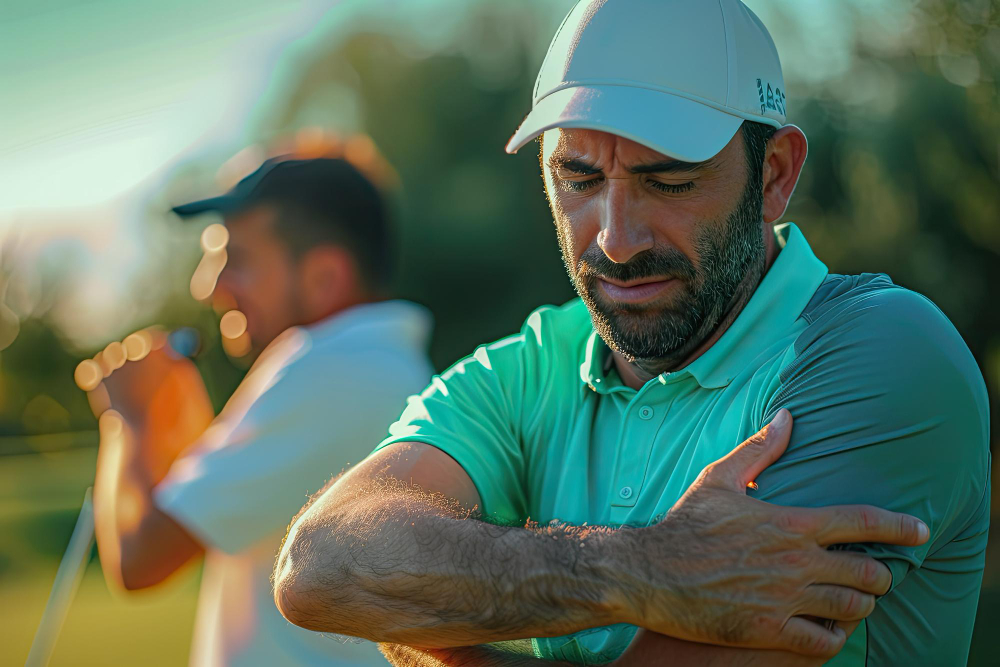
Many people feel pain on the inside or outside of their elbow. Often, they wonder about Golfer’s Elbow vs Tennis Elbow. Both are common elbow injuries, but they are not the same. Golfer’s Elbow is called medial epicondylitis. Tennis Elbow is known as lateral epicondylitis. Although both cause elbow pain, they affect different areas and have unique causes. In this blog, you will learn how to tell them apart, what symptoms to look for, and how to manage or prevent these injuries.
What Is Golfer’s Elbow?
Golfer’s Elbow is a condition that causes pain on the inside of the elbow. It happens when the tendons on the inner side of the elbow become inflamed or damaged. This area is called the medial epicondyle. While golfers often get this injury, anyone who uses their wrist and fingers a lot can develop it. For example, painters, carpenters, and people who type for long hours may also be at risk.
What Is Tennis Elbow?
Tennis Elbow is pain on the outside of the elbow. Doctors call it lateral epicondylitis. It happens when the tendons on the outer side of the elbow are overused or strained. Although tennis players often get this injury, many people who do repetitive arm movements can develop it. For instance, plumbers, cooks, and people who use hand tools may notice this pain.
Key Differences Between Golfer’s Elbow and Tennis Elbow
Although both injuries cause elbow pain, they are different in several ways. Understanding these differences can help you get the right treatment.
Common Symptoms
Both conditions share some symptoms, but there are key differences. For example, the pain location helps tell them apart. You may notice:
Sometimes, the pain can travel down the forearm. However, swelling is less common.
Causes and Risk Factors
Both Golfer’s Elbow and Tennis Elbow are caused by overuse. Repeating the same arm movement can strain the tendons. Over time, this leads to tiny tears and pain. However, the specific movements are different for each condition.
Other risk factors include age (usually 30-50 years old), poor technique, and weak arm muscles. According to the CDC, repetitive strain injuries are common in many jobs and sports.
Diagnosis Methods
Doctors use several ways to diagnose these elbow injuries. First, they ask about your symptoms and daily activities. Next, they examine your arm and elbow. They may press on the inside or outside of the elbow to find the pain spot. Sometimes, doctors ask you to move your wrist or fingers to see what causes pain.
In some cases, imaging tests help rule out other problems. For example, X-rays or MRI scans can show if there is another cause for your elbow pain. However, most of the time, doctors diagnose these injuries based on your symptoms and exam.
Treatment Options
Most people recover from Golfer’s Elbow or Tennis Elbow with simple treatments. Early care can help you heal faster. Treatment for Golfer’s Elbow and treatment for Tennis Elbow are often similar.
According to the American Academy of Orthopaedic Surgeons, most people improve within a few months with these steps.
Prevention Tips
Although these injuries are common, you can take steps to lower your risk. Prevention helps keep your elbows healthy and pain-free.
For those in jobs with lots of arm movement, workplace changes can help. For example, adjusting your work area or using ergonomic tools may prevent elbow pain causes. Always listen to your body and rest if you feel pain.