Introduction
ACL surgery is a common procedure to fix a torn anterior cruciate ligament in the knee. This ligament helps keep your knee stable. When it tears, you may need surgery to restore movement and prevent further damage. Many athletes and active people face this injury. However, anyone can hurt their ACL. Knowing what to expect after ACL surgery can help you prepare for a smooth recovery.
Symptoms and Causes Leading to ACL Surgery
Often, an ACL injury happens during sports or sudden movements. For example, quick stops, jumps, or changes in direction can cause a tear. But, it can also occur from falls or car accidents. Common symptoms include:
If you notice these signs, you should see a doctor. Early care can prevent more damage.
Diagnosis Process for ACL Injuries
First, your doctor will ask about how the injury happened. Next, they will check your knee for swelling, tenderness, and movement. Often, doctors use special tests to see if the ACL is torn. In many cases, an MRI scan helps confirm the injury. Sometimes, an X-ray is used to rule out broken bones. Quick and accurate diagnosis is important for the best outcome.
Detailed Overview of the ACL Surgery Procedure
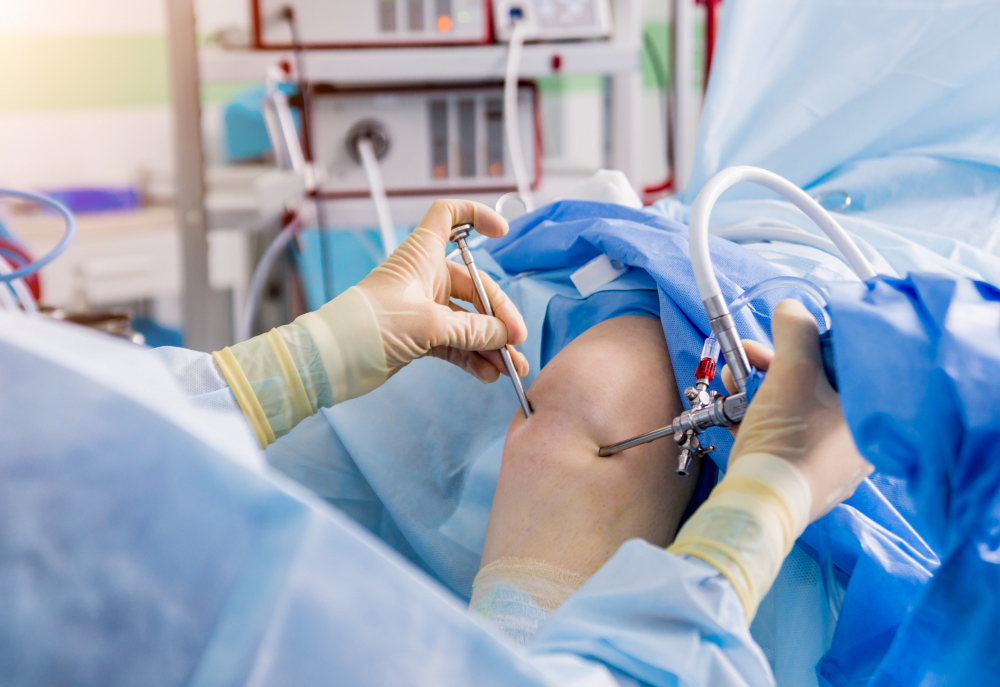
ACL surgery is usually done with small cuts and a camera, called arthroscopy. During the procedure, the surgeon removes the torn ligament. Then, they replace it with a new tissue, called a graft. This graft can come from your own body or a donor. The surgeon attaches the graft to your knee bones. Over time, the new ligament grows strong. Most surgeries take about one to two hours. You may go home the same day.
Recovery Timeline and Rehabilitation Tips
Recovery after ACL surgery takes time and effort. Here is a general timeline:
For a smooth ACL surgery recovery, follow these tips:
Remember, everyone heals at their own pace. Always talk to your doctor before returning to sports.
Prevention Strategies for ACL Injuries
While not all ACL injuries can be prevented, you can lower your risk. Try these strategies:
In addition, coaches and trainers can teach safe movement skills. This helps protect your knees during sports.
Frequently Asked Questions
Conclusion
ACL surgery can help restore knee stability and function. Knowing what to expect after ACL surgery and following recovery tips can improve your outcome. For the best advice on ACL surgery recovery and injury prevention, consult an orthopedic specialist Dr. Gopal Chandra.