Introduction
Osteoporosis is a common bone disease that affects millions of people worldwide. In the US, many adults face this condition as they age. Because osteoporosis weakens bones, it increases the risk of fractures. Early detection and proper care can help manage this disease. In this blog, you will learn about osteoporosis symptoms, causes, diagnosis, treatment options, and how to prevent osteoporosis. Let’s explore how you can keep your bones healthy.
What is Osteoporosis?
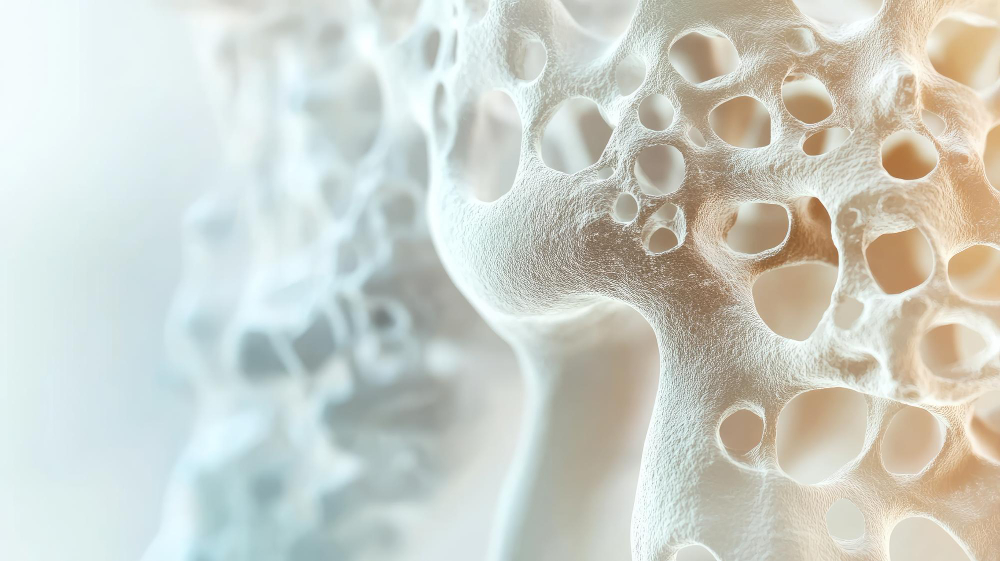
Osteoporosis means “porous bone.” In this condition, bones lose strength and become fragile. As a result, even a minor fall or bump can cause a fracture. Although anyone can get osteoporosis, it is more common in older adults, especially women. Because bones are living tissue, they are always changing. However, with osteoporosis, new bone is not made fast enough to replace old bone.
Causes of Osteoporosis
Many factors can lead to osteoporosis. Some causes are beyond your control, but others can be managed. For example, aging and family history play a big role. However, lifestyle choices also matter. Here are some common causes:
Symptoms of Osteoporosis
Often, osteoporosis has no symptoms in the early stages. Because of this, many people do not know they have it until a bone breaks. However, as the disease progresses, you may notice signs. For instance, you might experience:
If you notice any of these osteoporosis symptoms, talk to your doctor. Early action can help prevent further bone loss.
Diagnosis of Osteoporosis
Doctors use several methods to diagnose osteoporosis. Usually, a bone density test is the main tool. This test, called a DEXA scan, measures how strong your bones are. In addition, your doctor may ask about your medical history and risk factors. Blood tests can also help rule out other conditions. Because osteoporosis can be silent, regular screening is important, especially for older adults.
Treatment Options for Osteoporosis
There are many osteoporosis treatment options available today. Your doctor will suggest the best plan based on your needs. Treatment may include:
Because each person is different, your doctor will help you choose the right treatment. For best results, follow your treatment plan closely.
Lifestyle Tips for Better Bone Health
Simple changes can make a big difference in bone health. For example, eating a balanced diet and staying active help keep bones strong. Here are some bone health tips:
With these habits, you can support your bones every day.
How to Prevent Osteoporosis
Prevention is key when it comes to osteoporosis. Although some risk factors cannot be changed, many can be managed. To help prevent osteoporosis, try these steps:
Because prevention is easier than treatment, it is never too early to care for your bones.
Conclusion
Osteoporosis is a serious but manageable condition. With early diagnosis, proper treatment, and healthy habits, you can protect your bones. If you have concerns about osteoporosis or bone health, consult Dr. Gopal Chandra. They can provide personalized advice and help you stay strong.