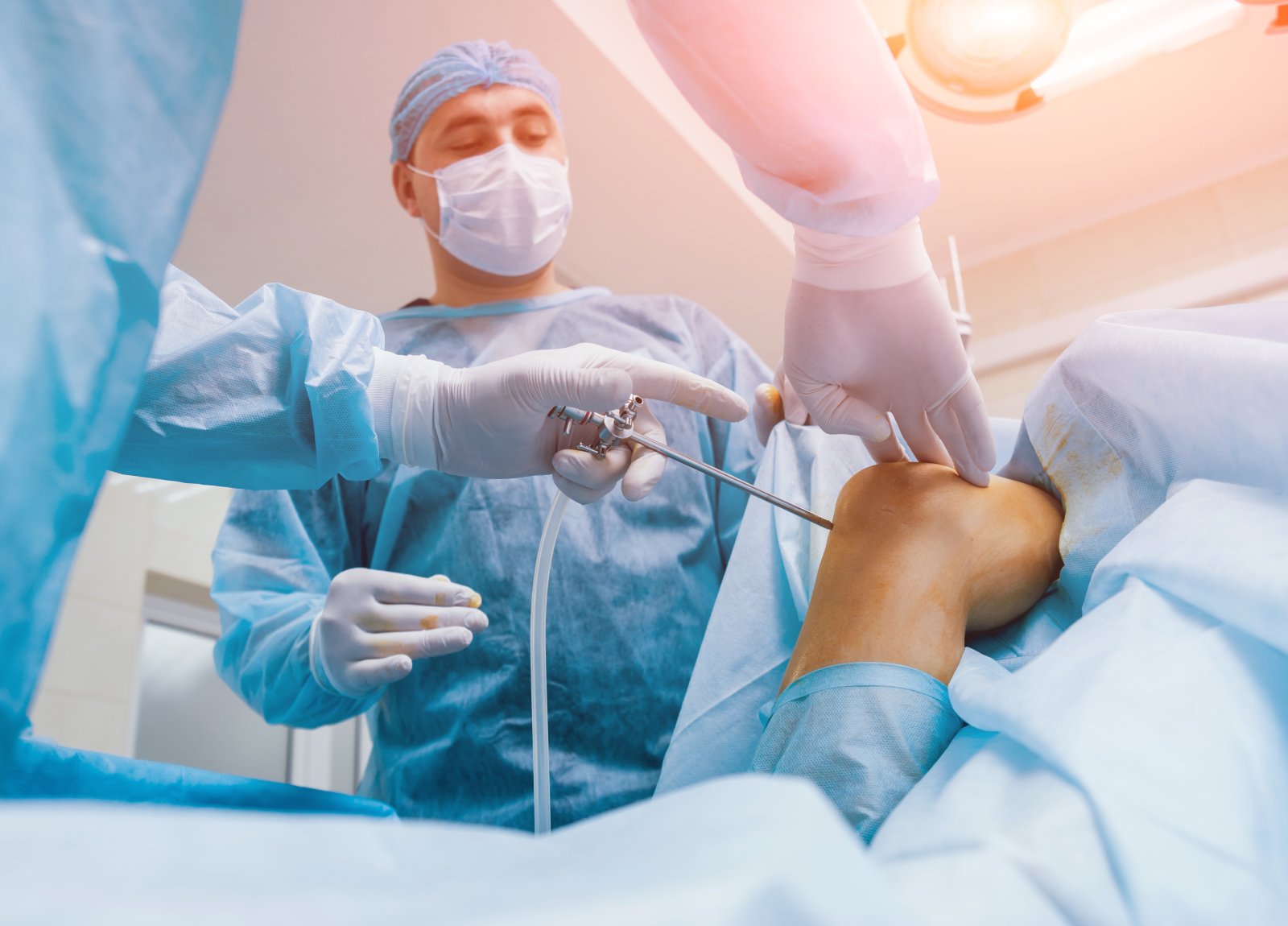
What is PCL Surgery?
PCL surgery is a procedure to fix the posterior cruciate ligament in your knee. This ligament helps keep your knee stable. When it is torn or damaged, you may need surgery to repair or replace it. Many people ask about PCL surgery recovery and what to expect after PCL surgery. Doctors use this surgery when other treatments do not help. The goal is to help you move your knee better and reduce pain.
Symptoms Leading to PCL Surgery
Often, people notice pain or swelling in the knee after an injury. Sometimes, your knee may feel loose or unstable. You might also have trouble walking or putting weight on your leg. In some cases, you may hear a pop or feel your knee give out. If these symptoms do not get better with rest or therapy, surgery may be needed. For example, athletes may notice they cannot return to sports because of knee weakness.
Causes of PCL Injuries
There are several reasons why the PCL can get hurt. Most often, a strong force hits the front of the knee. For instance, car accidents or sports injuries can cause this. Falling hard on a bent knee is another common cause. Sometimes, twisting the knee while running or jumping can also damage the ligament. Because the PCL is strong, injuries are less common than other knee ligament injuries.
How PCL Surgery is Diagnosed and Planned
Doctors start by asking about your symptoms and how the injury happened. Next, they check your knee for swelling, pain, and movement. Often, they will order an MRI scan to see the ligament clearly. X-rays may also be used to rule out broken bones. Once the injury is confirmed, your doctor will discuss if PCL reconstruction procedure is right for you. They will also talk about the risks and benefits. Planning includes choosing the best time for surgery and making sure you are healthy enough for the procedure.
The PCL Surgery Procedure
PCL surgery is usually done with small cuts and a camera, called arthroscopy. During the procedure, doctors may repair the torn ligament or replace it with a graft. The graft can come from your own body or a donor. Because the surgery is done with small tools, recovery is often faster. The procedure takes about one to two hours. After surgery, you will wake up in a recovery room. Nurses will check your knee and help manage pain.
Recovery Timeline and Rehabilitation
After PCL surgery, recovery takes time and effort. At first, you may need crutches to walk. You will likely wear a knee brace to protect the joint. Physical therapy starts soon after surgery. This helps you regain strength and movement. Most people return to daily activities in three to six months. However, returning to sports may take longer. Following your doctor’s plan is key for a good outcome. If you have questions about PCL surgery recovery, your care team can help.
Risks and Possible Complications
Like any surgery, PCL surgery has some risks. While most people recover well, problems can happen. For example, you may get an infection or have bleeding. Sometimes, the knee may feel stiff or weak. Rarely, the graft may not heal as expected. Blood clots are another possible risk. Doctors take steps to lower these risks. If you notice redness, swelling, or fever, tell your doctor right away. Learning about posterior cruciate ligament surgery risks helps you make informed choices.
Tips for Prevention After PCL Surgery
After surgery, you can take steps to protect your knee. First, always follow your physical therapy plan. This helps your knee heal and stay strong. Next, avoid high-risk activities until your doctor says it is safe. Wearing proper shoes and using knee support can help. In addition, warming up before exercise lowers your risk of injury. If you play sports, learn safe techniques to protect your knees. Staying active and maintaining a healthy weight also reduces stress on your joints.
Conclusion
Every child grows at their own pace, but regular growth monitoring helps track important changes in height, weight, nutrition, and overall development. Early identification of growth concerns allows parents to seek timely guidance and support their child’s healthy future.
Concerned about your child’s growth and development?
Consult the paediatric team at Sri Krishna Children’s Hospital for expert evaluation and personalised care.