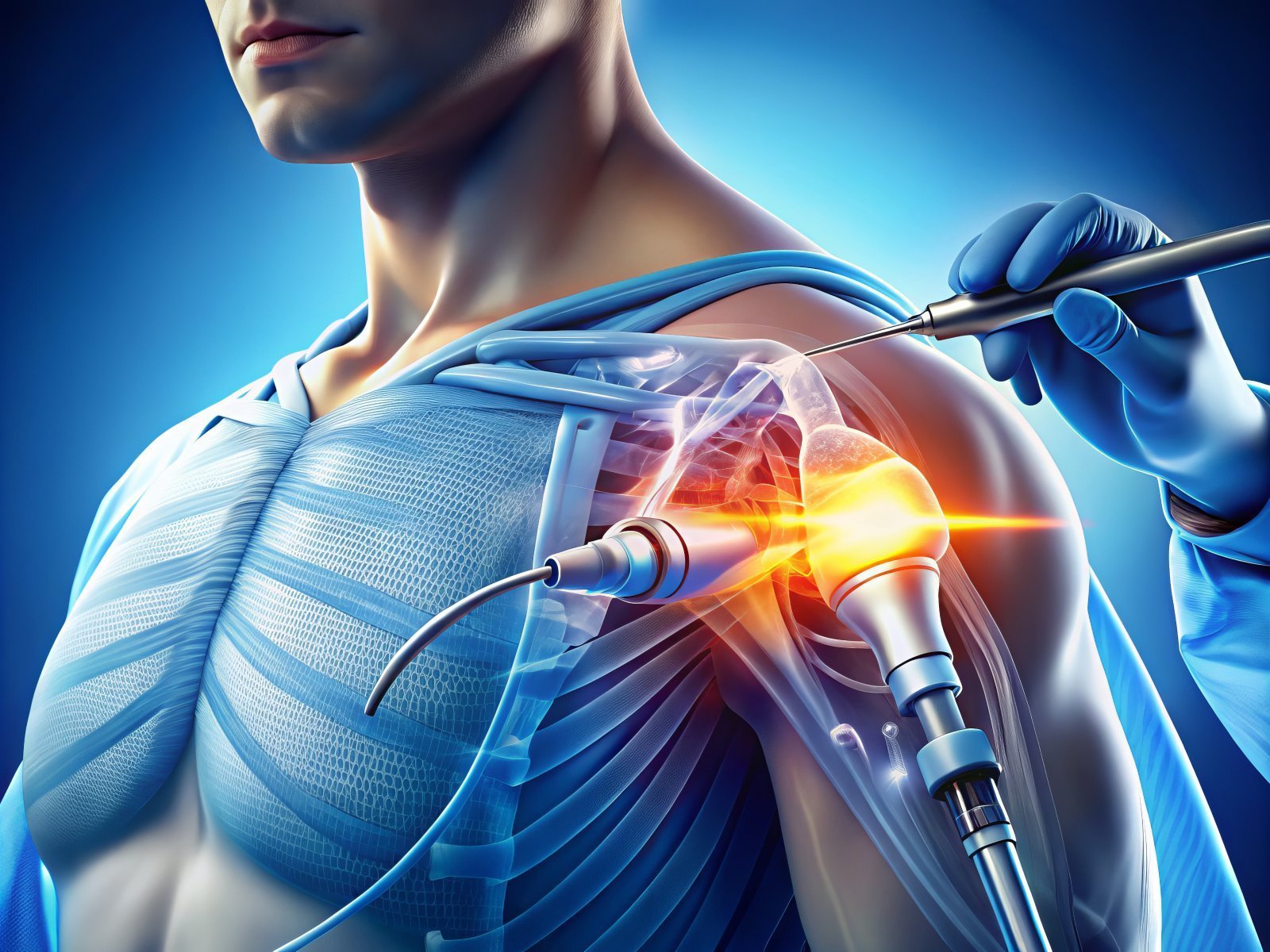
Shoulder arthroscopy is a minimally invasive shoulder surgery that helps doctors see, diagnose, and treat problems inside the shoulder joint. Many people choose this procedure because it uses small cuts and special tools, which often means less pain and a faster recovery. In this blog, you will learn what shoulder arthroscopy is, why it is done, how the procedure works, and what to expect during recovery. Understanding these details can help you feel more prepared if you or a loved one needs this surgery.
What is Shoulder Arthroscopy?
Shoulder arthroscopy is a type of surgery that lets doctors look inside your shoulder joint using a tiny camera. This camera, called an arthroscope, sends pictures to a screen, so the surgeon can see the inside of your shoulder clearly. Because the cuts are small, this procedure is called minimally invasive shoulder surgery. Often, doctors use shoulder arthroscopy to find and fix problems like torn tendons or damaged cartilage. As a result, many patients experience less pain and a quicker return to daily activities.
Common Reasons for Shoulder Arthroscopy
Doctors may suggest shoulder arthroscopy for several reasons. Sometimes, shoulder pain does not improve with rest, medicine, or physical therapy. In these cases, surgery may help. Common reasons include:
Because shoulder arthroscopy can treat many problems, it is a common choice for both young and older adults.
How the Procedure is Performed
First, you will receive anesthesia to keep you comfortable during the surgery. Next, the surgeon makes a few small cuts around your shoulder. Through one cut, the arthroscope is inserted. Through the others, tiny tools are used to repair or remove damaged tissue. The surgeon watches a video screen to guide the tools. Usually, the whole arthroscopic shoulder procedure takes about one to two hours. Afterward, the cuts are closed with stitches or small strips, and a bandage is placed over your shoulder.
Benefits and Risks
Shoulder arthroscopy offers many benefits, but it also has some risks. Here are some key points to consider:
However, like any surgery, there are risks. These may include:
Although most people recover well, it is important to talk to your doctor about these risks before surgery.
Recovery Process and Timeline
After shoulder arthroscopy, you will spend some time in a recovery area. Most people can go home the same day. Your arm may be in a sling to protect your shoulder. Because healing takes time, you may need to rest for a few days. Physical therapy often starts soon after surgery to help you regain strength and movement. Here is a general timeline:
However, recovery time can vary based on your age, health, and the type of repair done.
Tips for a Smooth Recovery
To help your shoulder heal well, follow these tips:
Because everyone heals at a different pace, do not rush your recovery. If you notice increased pain, redness, or swelling, contact your doctor right away.
Prevention and Long-Term Care
After you recover, it is important to protect your shoulder from future injuries. Here are some ways to care for your shoulder long-term:
With good habits, you can keep your shoulder healthy and lower the risk of new injuries.
In summary, shoulder arthroscopy is a safe and effective way to treat many shoulder problems. Because it is minimally invasive, most people recover quickly and return to their normal lives. For the best results, follow your doctor’s advice and attend all follow-up visits. Consult Niruma Hospital for personalized advice about shoulder arthroscopy.