What is Tennis Elbow?
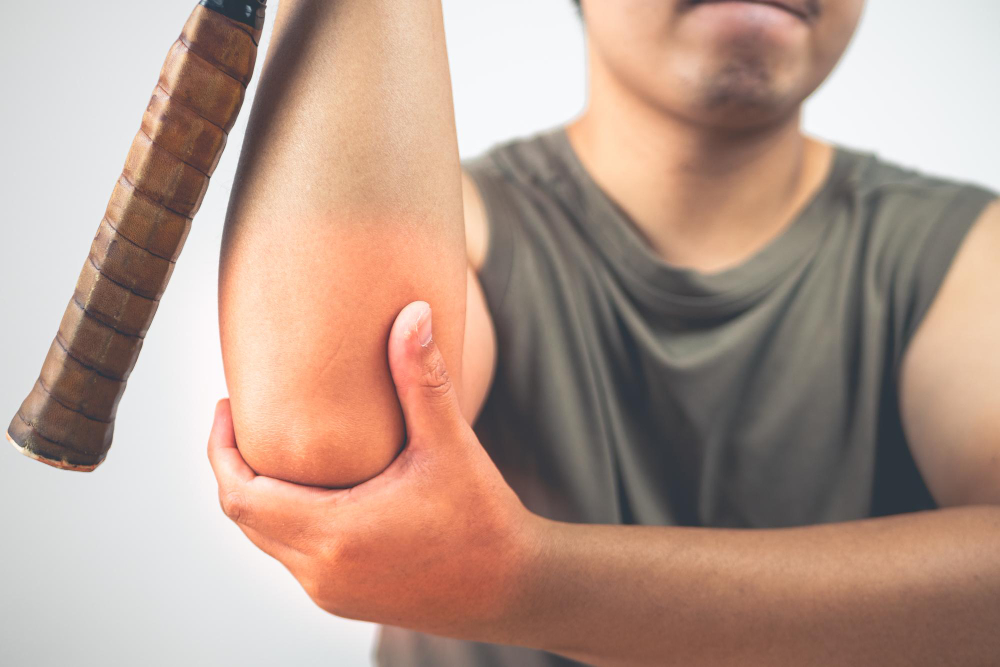
Tennis elbow is a common injury that affects the outside of your elbow. Even though it is called tennis elbow, you do not need to play tennis to get it. In fact, many people develop tennis elbow from everyday activities. The condition happens when the tendons in your elbow become swollen or painful. Usually, this is due to overuse or repeated movements. Because tennis elbow can affect anyone, it is important to know its symptoms and how to treat it.
Common Symptoms of Tennis Elbow
Often, people notice pain on the outside of their elbow. Sometimes, the pain spreads down the forearm. For example, you may feel discomfort when you grip objects or twist your arm. In many cases, the pain gets worse with certain activities. However, rest may help ease the pain. Common tennis elbow symptoms include:
Because these symptoms can be mild or severe, it is helpful to watch for changes over time.
Causes and Risk Factors
Although tennis elbow is linked to sports, many daily tasks can cause it. For instance, using hand tools, painting, or typing for long periods may lead to this injury. The main cause is overuse of the forearm muscles and tendons. As a result, tiny tears can form in the tissue. Over time, these tears cause pain and swelling. Key risk factors for tennis elbow include:
However, anyone can develop tennis elbow, even without these risk factors.
How Tennis Elbow is Diagnosed
Doctors use several steps to make a tennis elbow diagnosis. First, they ask about your symptoms and daily activities. Next, they examine your arm and elbow. During the exam, your doctor may press on the outside of your elbow or ask you to move your wrist. Sometimes, they may order tests to rule out other problems. For example, an X-ray or MRI can help if your pain does not improve. However, most cases do not need special tests. Usually, a physical exam is enough for diagnosis.
Treatment Options for Tennis Elbow
There are many ways to treat tennis elbow. Most people get better with simple steps at home. For instance, rest and ice can reduce pain and swelling. In addition, your doctor may suggest:
In rare cases, if pain does not improve, your doctor may suggest other treatments. These can include steroid injections or, very rarely, surgery. However, most people recover without surgery.
Prevention and Lifestyle Tips
Although tennis elbow can be painful, you can lower your risk with a few simple steps. For example, always warm up before using your arms for sports or work. In addition, try these tips to prevent tennis elbow:
Because prevention is key, making small changes can help protect your elbows in the long run.