What Are Compound (Open) Fractures?
Compound (open) fractures are serious bone injuries. In these cases, the broken bone pierces the skin. As a result, the wound is open, and the risk of infection is high. Unlike simple fractures, compound fractures need urgent medical care. Doctors call this an orthopedic emergency. Early treatment can help prevent complications. Compound fracture treatment often involves both emergency care and surgery.
Common Symptoms and Signs
Recognizing open fracture symptoms is important. Quick action can save lives and limbs. Look for these signs:
Sometimes, you may also notice dirt or debris in the wound. If you see any of these signs, seek emergency care right away.
Causes and Risk Factors
Compound (open) fractures often happen after high-impact injuries. For example, car accidents and falls from heights are common causes. Sports injuries can also lead to open fractures. In some cases, direct blows or crush injuries cause the bone to break through the skin.
Several factors can increase your risk:
Because these injuries are severe, knowing the risks can help you stay safe.
Diagnosis Methods
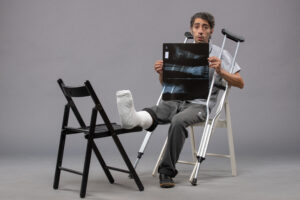
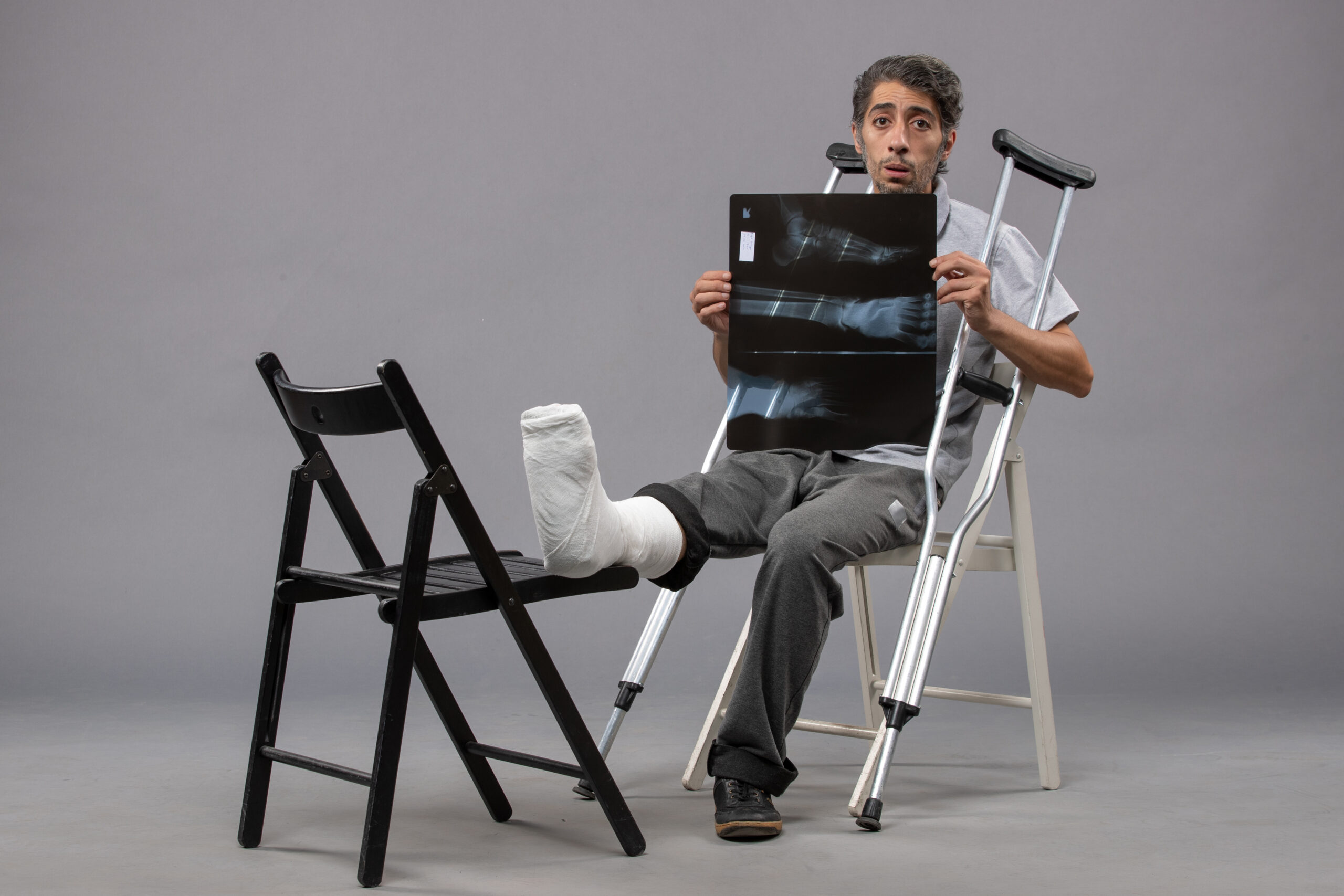
Doctors use several steps to diagnose compound (open) fractures. First, they will examine the wound and check for exposed bone. Next, they may ask about how the injury happened. After that, X-rays help show the exact break and its location. Sometimes, doctors use CT scans for a clearer view. Blood tests may also be needed to check for infection or blood loss. Quick and accurate diagnosis is key for proper treatment.
Treatment Options
Emergency Care
Immediate care is vital for compound (open) fractures. First, stop any heavy bleeding by applying gentle pressure. Next, keep the injured limb still. Do not try to push the bone back in. Cover the wound with a clean cloth if possible. Then, call for emergency help right away. Orthopedic emergency care teams will act fast to prevent infection and further damage.
Surgery
Most compound fracture treatments require surgery. Surgeons clean the wound to remove dirt and bacteria. They may use metal rods, plates, or screws to hold the bone in place. Sometimes, more than one surgery is needed. Doctors may also give antibiotics to fight infection.
Rehabilitation
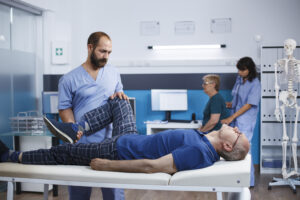
After surgery, rehabilitation helps you regain strength and movement. Physical therapy is often part of the recovery plan. In some cases, you may need to use crutches or a wheelchair for a while. Regular follow-ups with your doctor are important for a safe recovery.
Recovery Process and Expected Outcomes
Recovery from compound (open) fractures can take several months. At first, you may need to rest and keep weight off the injured limb. Over time, physical therapy will help you move better. Most people regain good function, but some may have lasting stiffness or weakness. Early and proper treatment improves your chances of a full recovery. However, severe injuries may lead to longer healing times or complications.
Prevention Tips and Lifestyle Guidance
Preventing open fractures is possible with simple steps. Here are some tips:
By making these changes, you can lower your risk of compound (open) fractures. If you live in areas with high accident rates, extra caution is wise.
Conclusion
Compound (open) fractures are serious injuries that need fast and expert care. Knowing the symptoms, causes, and treatment options can help you act quickly. Consult Dr. Gopal Chandra at Niruma Hospital for personalized advice and treatment guidance on compound (open) fractures.