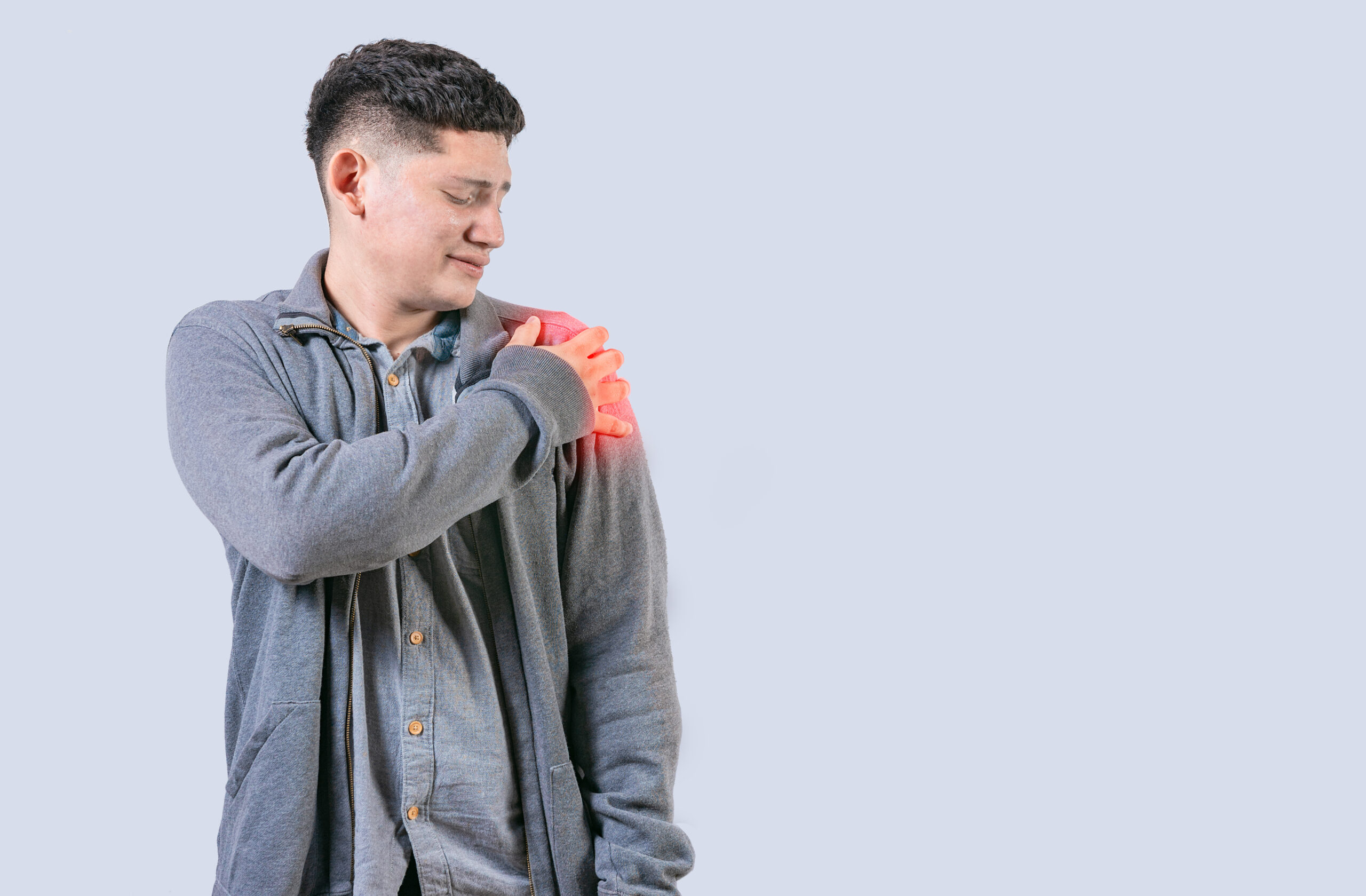
What is a Shoulder Dislocation?
Shoulder dislocation happens when the upper arm bone pops out of the shoulder socket. This injury is common, especially in sports or falls. Because the shoulder joint is very flexible, it can move in many directions. However, this also makes it easier to dislocate. According to the CDC, shoulder dislocation is one of the most frequent joint injuries. Early treatment helps prevent long-term problems.
Common Symptoms
After a shoulder dislocation, you may notice several signs. For example, the shoulder may look out of place. In addition, pain often starts right away. Other symptoms include:
If you notice these symptoms, seek medical help quickly. Prompt care can reduce the risk of further injury.
Causes and Risk Factors
Many things can cause a shoulder dislocation. Most often, it happens after a fall or a direct blow. Sometimes, a sudden twist or pull can also lead to this injury. Common causes include:
Some people have a higher risk. For instance, young men and athletes are more likely to dislocate their shoulders. Also, people with loose joints or past dislocations face greater risk.
How is Shoulder Dislocation Diagnosed?
Doctors use several steps to diagnose shoulder dislocation. First, they ask about your injury and symptoms. Next, they check your shoulder for shape, swelling, and movement. Often, doctors order X-rays to see the joint clearly. Sometimes, they may use MRI scans to check for soft tissue damage. Early diagnosis helps guide the best treatment plan.
Treatment Options
Treatment for shoulder dislocation depends on the type and severity. Usually, doctors use these steps:
In rare cases, surgery may be needed. For example, if the joint is unstable or there is severe damage, surgery can help fix the problem. Always follow your doctor’s advice for the best results.
Recovery and Lifestyle Tips
Recovery from shoulder dislocation takes time. However, most people return to normal activities within a few weeks. To speed up healing, try these tips:
Gradually, you can return to sports or work. But always listen to your body and your doctor. Rushing recovery can lead to another dislocation.
Prevention Strategies
While not all shoulder dislocations can be prevented, you can lower your risk. For example, you can:
These steps help keep your shoulder stable and reduce the chance of injury. Learning how to prevent shoulder dislocation is important for everyone, especially athletes.
When to See a Doctor
If you think you have a shoulder dislocation, seek medical help right away. Do not try to move the joint back yourself. In addition, see a doctor if you notice:
Early treatment can prevent long-term problems and help you heal faster.
For personalized advice on shoulder dislocation, consult Dr. Gopal Chandra at Niruma Hospital. They can guide you through diagnosis, treatment, and recovery.