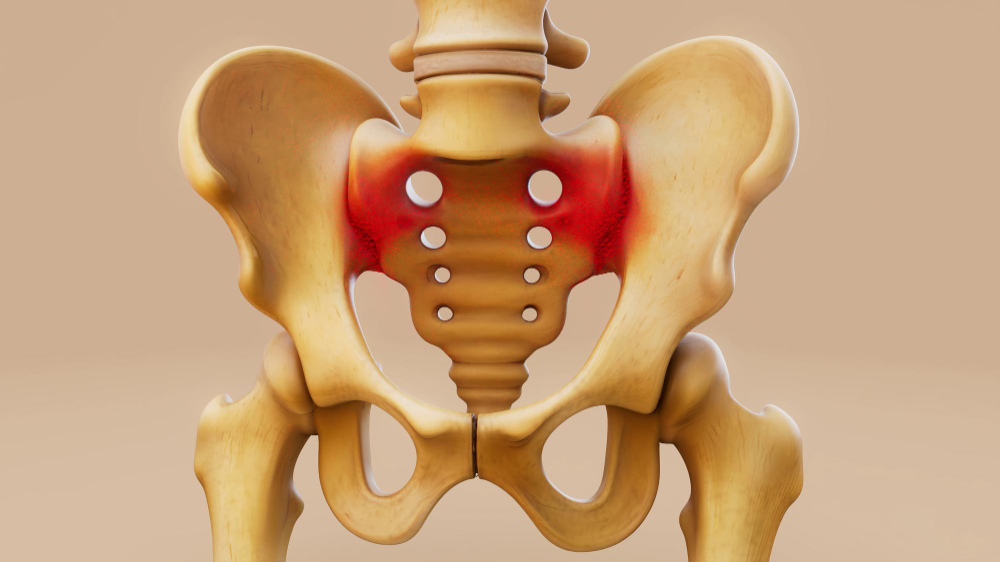
Introduction to Total Hip Replacement
Total hip replacement is a common surgery that helps people with severe hip pain. Doctors remove the damaged hip joint and replace it with an artificial one. This procedure can improve movement and reduce pain. Many people choose total hip replacement when other treatments do not work. According to the CDC, this surgery is safe and effective for most patients. If you have hip pain that limits your daily life, this option may help.
Symptoms and Conditions Leading to Total Hip Replacement
Many people experience hip pain that does not improve with rest or medicine. Often, this pain gets worse over time. You may notice:
Sometimes, these symptoms come from arthritis or injury. If you have these signs, talk to your doctor about hip pain treatment options.
Common Causes Requiring Hip Replacement
Several conditions can damage the hip joint. As a result, you may need total hip replacement. The most common causes include:
Because these conditions can get worse, early treatment is important. Your doctor may suggest orthopedic surgery for hips if other treatments fail.
Diagnosis and Evaluation Process
First, your doctor will ask about your symptoms and medical history. Next, they will examine your hip and check how well you move. Often, doctors use X-rays or MRI scans to see the joint. These tests help find the cause of your pain. Sometimes, blood tests are needed to rule out infection or other problems. After reviewing all results, your doctor will discuss the best treatment for you. If needed, they may recommend total hip replacement.
The Total Hip Replacement Procedure
Total hip replacement is a step-by-step surgery. Here is what usually happens:
Most surgeries take about one to two hours. After surgery, you will move to a recovery room for monitoring.
Recovery Process and Rehabilitation Tips
After total hip replacement, recovery is important. Most people stay in the hospital for a few days. Physical therapy starts soon after surgery. This helps you regain strength and movement. Here are some tips for a smooth recovery:
Because recovery can take several weeks, patience is key. Many people return to normal activities within three months. However, always follow your doctor’s instructions for the best results.
Prevention and Lifestyle Guidance to Maintain Hip Health
While not all hip problems can be prevented, you can lower your risk. Consider these tips to keep your hips healthy:
Additionally, see your doctor if you notice new or worsening hip pain. Early care can help prevent serious problems.
Risks and Potential Complications
Like all surgeries, total hip replacement has some risks. However, most people recover without major problems. Possible risks include:
Because your doctor will take steps to lower these risks, it is important to follow all care instructions. If you notice swelling, redness, or fever, contact your doctor right away.
Frequently Asked Questions (FAQs)
If you have more questions about total hip replacement or hip pain treatment, talk to your healthcare provider.
Consult an orthopedic specialist Dr. Gopal Chandra for personalized advice on total hip replacement.